Life has a way of piling up quietly. Between work deadlines, family responsibilities, and the constant buzz of notifications, most of us reach a point where we realize we have not truly slowed down in months. That is exactly why a wellness retreat has become such a popular way to hit pause, step away from daily routines, and genuinely reconnect with yourself and the people you care about most.
But what does a wellness retreat actually involve, and how do you plan one that genuinely delivers on its promise of rest and renewal rather than feeling like just another trip with a fancy label attached to it?
A successful retreat is about more than choosing a beautiful destination. The setting, activities, amenities, schedule, and opportunities for both connection and quiet time all contribute to the experience. The right property can make it easier for a group to move naturally between wellness activities, shared experiences, time in nature, and moments of personal reflection.
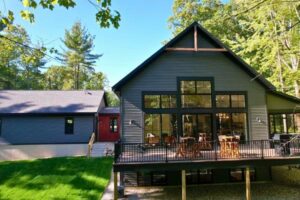
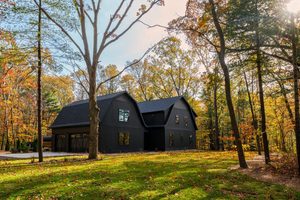
The team at Black Barn Ridge understands this balance and offers a setting designed to support different approaches to group wellness. With options such as a sauna, cold plunge, private bespoke classes, gathering spaces, quiet areas, and nature walking trails, the property gives groups the flexibility to create a retreat around their own goals.
By the time you finish reading, you will have a clear understanding of what makes a wellness retreat different from a typical vacation, what to look for in a retreat setting, and how to plan a group escape that leaves everyone feeling genuinely refreshed.
What Exactly Is a Wellness Retreat?
At its core, a wellness retreat is an intentional getaway designed around rest, reflection, connection, and self-care rather than sightseeing, packed itineraries, or nonstop entertainment.
Unlike a typical vacation, where the goal is often to see and do as much as possible, a wellness retreat prioritizes slowing down, disconnecting from daily stress, and giving your mind and body space to recover.
This might sound simple, but in practice, it is surprisingly rare in modern life. Most vacations, even relaxing ones, still involve planning stress, busy schedules, travel logistics, and the underlying pressure to make the most of every day.
A wellness retreat flips this approach entirely. The experience is built around intentional rest, mindful activities, time in nature, and genuine connection, whether that connection is with yourself, close friends, family, or coworkers.
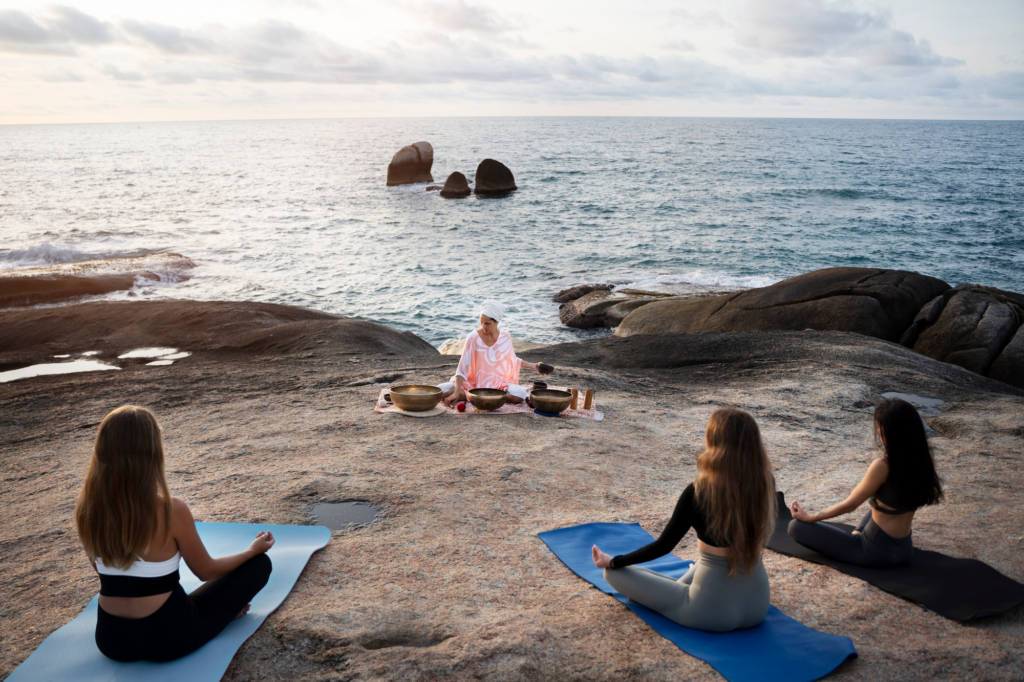
Wellness retreats can take many different forms depending on the goals of the group. Some focus on physical wellness through activities such as yoga, hiking, stretching, sauna sessions, or cold plunges. Others lean more toward mental and emotional restoration through mindfulness, reflection, creative activities, or quiet time.
Many retreats combine several of these elements. This creates a more balanced experience where participants can choose activities that support their individual needs while still enjoying the benefits of being together.
The Difference Between a Vacation and a Wellness Retreat
It is worth spending a moment on this distinction because the two experiences can easily become confused.
A typical vacation tends to be built around external experiences. There are places to see, activities to complete, restaurants to try, and photographs to capture. There is nothing wrong with this type of trip, but it serves a different purpose.
A wellness retreat is more focused on how you feel during and after the experience.
The goal is not necessarily to see as much as possible. Instead, it is to return home feeling calmer, more present, better rested, and more connected to the people around you.
That often means fewer scheduled activities and more unstructured time. Instead of filling every hour, the retreat allows participants to decide when they want to participate, socialize, explore, relax, or simply enjoy the surroundings.
This distinction matters when planning your own retreat because it affects nearly every decision you make. From choosing the property to building the itinerary, the focus should remain on creating an environment where restoration can happen naturally.
Common Elements Found in a Wellness Experience
Every wellness retreat is different, but several elements tend to contribute to a meaningful and restorative experience.
Mindful Movement
Movement can be an important part of a wellness retreat without turning it into an intense fitness programme. Gentle yoga, stretching, walking, mobility exercises, and other low-pressure activities can help participants move their bodies while remaining focused on relaxation.
Private bespoke classes can be particularly useful for groups because they allow activities to be adapted around the interests and experience levels of the participants. Rather than following a generic programme, groups can incorporate classes that fit the atmosphere and purpose of their retreat.
Time in Nature
Nature is another important part of many wellness experiences.
Spending time outdoors provides an opportunity to step away from screens, traffic, work notifications, and other everyday distractions. A simple walk surrounded by natural scenery can create valuable space for quiet reflection or relaxed conversation.
At Black Barn Ridge, nature walking trails provide groups with an easy way to incorporate outdoor time into their retreat. Participants can walk together, explore at their own pace, or use the trails as an opportunity for quiet personal reflection.
Relaxation and Recovery
Wellness can also include intentional relaxation. Having dedicated amenities on-site can make it easier for participants to build restorative experiences into their day without constantly travelling from one activity to another.
Features such as a sauna and cold plunge can give guests additional ways to focus on relaxation and recovery. These amenities can be incorporated alongside other retreat activities, allowing participants to create a wellness routine that feels comfortable and personal.
Nourishing Meals
Food is another important consideration when planning a retreat.
Thoughtfully prepared meals can support the overall experience by giving participants opportunities to slow down and enjoy food together. Meals can also become an important social part of the retreat, providing time for conversation and connection without the pressure of a formal activity.
Unstructured Downtime
Unstructured time is perhaps one of the most important parts of a genuinely restorative retreat.
It can be tempting to fill the itinerary with yoga, walks, classes, meals, discussions, and activities. However, too many scheduled events can make a wellness retreat feel surprisingly similar to a busy vacation.
Leaving time for reading, resting, walking, talking, or simply enjoying the surroundings gives participants the freedom to recharge according to their own needs.
Why Group Wellness Retreats Are Growing in Popularity
While solo wellness retreats have their place, group retreats have become increasingly appealing because shared experiences can create deeper connections.
Whether you are planning a retreat with friends, family members, or a professional team, stepping away from normal routines together creates opportunities for conversations and experiences that may not happen during everyday life.
For corporate teams, a wellness retreat can provide a change of environment while creating opportunities for employees to connect outside their usual work setting. A slower pace can make conversations feel more natural and give team members space to interact without the usual office pressures.
Families and friend groups can also benefit. Instead of spending a trip negotiating different sightseeing preferences and packed schedules, a wellness retreat creates a shared purpose around rest, connection, and enjoyment.
The key is to choose a property that supports both sides of the group experience. People should have comfortable spaces to gather together while also having opportunities to step away for quiet time when they need it.
How to Plan a Restorative Wellness Retreat
Planning a wellness retreat does not need to be complicated, but it does require intentional thought.
Start With Your Group’s Goals
Begin by deciding what you want participants to get from the retreat.
Are you primarily looking for relaxation? Do you want to focus on movement and physical wellness? Is your priority strengthening relationships? Or are you looking for a combination of these experiences?
Having a clear purpose will help guide the rest of your planning.
Choose a Property That Supports Wellness
The location can have a significant effect on the overall experience. However, choosing the right setting involves more than finding a beautiful landscape.
Look for a property that offers the actual spaces and amenities your group needs to relax and participate in wellness activities.
Consider whether the property offers:
- Peaceful surroundings
- Privacy and quiet areas
- Nature trails or outdoor spaces
- Wellness amenities such as a sauna or cold plunge
- Spaces for private classes
- Comfortable areas for group gatherings
- Opportunities for both social time and individual reflection
A property that brings these elements together can make the retreat much easier to organise because participants can experience different aspects of wellness without constantly leaving the property.
Build a Flexible Schedule
A wellness retreat should not feel like a conference with every minute accounted for.
Instead, create a loose itinerary with a few intentional activities and plenty of open time.
For example, a day could include a morning wellness class, breakfast, free time, an afternoon nature walk, time to enjoy the sauna or cold plunge, a shared dinner, and a quiet evening.
The exact schedule should depend on the group. The important thing is to leave enough flexibility for participants to rest when they need it.
Plan for Both Group and Individual Experiences
Not everyone relaxes in the same way.
Some participants may enjoy group classes, long conversations, and shared meals. Others may need quiet time to read, walk, reflect, or simply be alone.
A successful group wellness retreat makes space for both.
This is one reason the physical layout and features of the property matter so much. Dedicated gathering areas can bring everyone together, while quiet spaces and outdoor areas allow individuals to step away when they need a little personal time.
Think About Meals and Nourishment
Meals should complement the relaxed nature of the retreat.
Whenever possible, plan meals that can be enjoyed without rushing. Shared meals can also become a valuable opportunity for conversation and connection.
If your group has specific dietary requirements or preferences, consider these before finalising your meal plans.

Choosing Activities That Support Genuine Restoration
The best wellness retreat activities are those that support the purpose of the experience without creating additional pressure.
Gentle yoga, stretching, guided meditation, nature walks, journaling, creative activities, and quiet reflection can all work well.
A private bespoke class can also give a group the opportunity to participate in an experience specifically suited to its interests. This can be especially valuable when participants have different levels of experience with wellness activities.
Relaxation amenities can complement these experiences. For example, participants might enjoy a wellness class followed by time to relax, use the sauna, experience the cold plunge, or simply spend time outdoors.
Nature walks are another flexible option. A group can walk together and talk, while participants who prefer a quieter experience can take time to enjoy the trails at their own pace.
The important thing is not to include every possible wellness activity. Instead, select a few experiences that genuinely fit the group’s goals.
Setting the Right Expectations for Your Group
Before the retreat begins, communicate clearly about what participants can expect.
Let everyone know that the experience is intentionally designed around rest, wellness, and connection rather than a packed sightseeing schedule.
This can help avoid disappointment for participants who might otherwise expect a traditional vacation.
You can also encourage everyone to disconnect from work and everyday responsibilities as much as possible.
That does not necessarily mean banning phones entirely. Instead, consider establishing periods where participants can put their devices away and focus on the people and surroundings around them.
Clear expectations also make it easier for people to participate at their own comfort level. Someone may want to join every group activity, while another participant may prefer to spend an afternoon walking the trails or enjoying quiet time.
Both approaches can be part of a successful wellness retreat.
The Importance of Space for Connection and Quiet
One of the biggest considerations when choosing a wellness retreat property is whether it can support different types of experiences at the same time.
Group wellness does not mean that everyone has to be together constantly.
A successful retreat needs spaces where people can gather for meals, conversations, classes, and activities. At the same time, participants should have opportunities to step away when they want silence or personal space.
This balance can make a significant difference to the overall atmosphere.
At Black Barn Ridge, groups can take advantage of spaces designed for gathering while also finding opportunities for quiet retreat. This allows participants to spend meaningful time together without feeling that they have to remain socially engaged throughout the entire stay.
That flexibility is particularly valuable for longer retreats, where personal downtime becomes just as important as shared activities.
Choosing a Wellness Retreat Setting That Supports Your Group
The physical setting of a wellness retreat can influence the entire experience. A beautiful property is a great starting point, but the best wellness retreat locations offer more than attractive surroundings.
They provide the spaces, amenities, privacy, and opportunities for restoration that allow guests to genuinely slow down and reconnect.
When choosing a setting, look for a property that supports different aspects of wellness in one place. Access to quiet spaces, nature, movement, relaxation, and meaningful time together can make the retreat feel intentional rather than simply being a getaway in a scenic location.
At Black Barn Ridge, the setting is designed to support this kind of restorative experience. Guests can enjoy wellness-focused amenities such as a sauna and cold plunge, creating opportunities to incorporate intentional relaxation and recovery into their retreat.
The property can also accommodate private, bespoke classes, allowing groups to build wellness activities around their own needs and interests. Rather than following a generic retreat programme, groups can create an experience that feels personal and relevant to their goals.
Shared spaces are equally important when planning a group wellness retreat. Look for a property where everyone can come together comfortably for meals, conversations, group activities, or simply spending time together.
At Black Barn Ridge, dedicated spaces for gathering allow groups to enjoy connection without sacrificing opportunities for personal downtime.
Nature should also be part of the experience. Nature walking trails provide an easy way for guests to step away from screens, enjoy gentle movement, and experience the surrounding landscape. A walk can be a social activity for some participants and a quiet moment of reflection for others.
Just as important, a good retreat setting should provide places where guests can step away when they need quiet. Not everyone restores in the same way. Some people may want to join every group activity, while others may prefer to read, reflect, take a walk, or simply enjoy uninterrupted peace.
Ultimately, the right wellness retreat setting should make restoration feel natural. Instead of having to leave the property for every activity, guests can move between wellness experiences, group gatherings, nature, and quiet moments within the same environment.
The Long-Term Benefits of Prioritizing Rest
It is easy to view a wellness retreat as simply a pleasant break from routine, but the experience can have value beyond the days spent away.
Taking intentional time away from everyday responsibilities gives participants an opportunity to reflect on their routines and consider what helps them feel more balanced.
For groups, the shared experience can also strengthen relationships. Friends may return home with new shared memories, families may have enjoyed uninterrupted time together, and professional teams may have developed stronger connections outside their usual work environment.
The goal is not to return from a retreat with a completely different life. Instead, participants can return with renewed energy, clearer priorities, and a greater appreciation for slowing down.
How to Create a Wellness Retreat Itinerary
A simple itinerary can help your group enjoy the retreat without making the experience feel overly structured.
For example, a three-day retreat could follow a flexible format:
Day One: Arrive and Unwind
- Arrival and settling in
- Casual group meal
- Time to explore the property
- Sauna or relaxation time
- Quiet evening
Day Two: Wellness and Connection
- Morning private wellness class
- Relaxed breakfast
- Unstructured personal time
- Nature walking trail
- Time for sauna or cold plunge
- Group meal and conversation
Day Three: Reflect and Recharge
- Gentle morning movement or quiet reflection
- Breakfast
- Free time
- Optional nature walk
- Group discussion or shared activity
- Departure
The exact itinerary can be adjusted based on the group. The important thing is to maintain a balance between intentional activities and open time.
Final Thoughts
A wellness retreat offers something increasingly rare in our busy, always-connected lives: genuine permission to slow down, rest, and reconnect.
Planning one successfully involves more than booking a beautiful destination. The property should provide an environment where wellness can happen naturally, with opportunities for movement, relaxation, nature, connection, and quiet reflection.
Features such as a sauna and cold plunge, private bespoke classes, group gathering spaces, peaceful areas, and nature walking trails can help create a more complete retreat experience. When these elements are combined with a flexible schedule and plenty of unstructured time, participants can enjoy a getaway that feels genuinely restorative rather than simply another busy trip.
If you are ready to start planning a wellness retreat your group will genuinely remember, reach out to the team at Black Barn Ridge and explore how the right setting can help you create a more thoughtful, restorative group experience.
Frequently Asked Questions
1. What is the main difference between a vacation and a wellness retreat?
A vacation often focuses on sightseeing, entertainment, and new experiences, while a wellness retreat is intentionally designed around rest, reflection, connection, and wellbeing.
2. How long should a wellness retreat typically last?
There is no fixed length. A retreat can last anywhere from a couple of days to a week or longer. Even a short retreat can be meaningful when the schedule and setting are thoughtfully planned.
3. Do wellness retreats always include yoga and meditation?
No. Yoga and meditation are common options, but they are not requirements. A wellness retreat can include nature walks, private classes, journaling, relaxation, creative activities, sauna time, cold plunges, or simply unstructured downtime.
4. Is a group wellness retreat suitable for families with children?
Yes. Families can enjoy wellness retreats by choosing age-appropriate activities and allowing enough flexibility for different needs. The retreat does not have to follow a traditional adult wellness programme.
5. What kind of location works best for a wellness retreat?
A peaceful, private setting surrounded by nature can work particularly well. When choosing a property, also look for wellness amenities, gathering spaces, outdoor areas, and quiet spaces where participants can relax individually.
6. Can a corporate team benefit from a wellness retreat?
Yes. A corporate wellness retreat can give team members an opportunity to step away from their normal work environment, focus on wellbeing, and build stronger connections through shared experiences.
7. Why are quiet spaces important during a group wellness retreat?
Group connection is important, but people also need opportunities for personal downtime. Quiet spaces allow participants to read, reflect, rest, or simply spend time alone without leaving the retreat environment.
8. What amenities should I look for when choosing a wellness retreat property?
Consider amenities and features that support different types of wellness, such as a sauna, cold plunge, private wellness classes, nature trails, outdoor spaces, group gathering areas, and quiet places for individual relaxation.
9. How much unstructured time should a wellness retreat include?
There is no universal formula, but a retreat should include enough open time that participants do not feel rushed from one activity to another. The goal is to create a relaxed rhythm rather than a packed itinerary.
10. What should I pack for a wellness retreat?
Comfortable clothing, suitable footwear for walking, personal items for relaxation, and anything needed for planned wellness activities are good starting points. Keeping technology to a minimum can also help you stay present during the retreat.
11. Are wellness retreats only for people experienced with yoga or meditation?
No. Wellness retreats can be designed for beginners and experienced participants alike. Private or bespoke classes can also be adapted to suit the group’s interests and comfort levels.
12. How do I know if a wellness retreat is right for my group?
If your group wants to slow down, spend meaningful time together, enjoy nature, and step away from everyday responsibilities, a wellness retreat can be a great fit. Choosing a property with both shared spaces and opportunities for quiet personal time can make the experience even more enjoyable.